
AI for Nation Building: Inside Antino AI Summit 2025
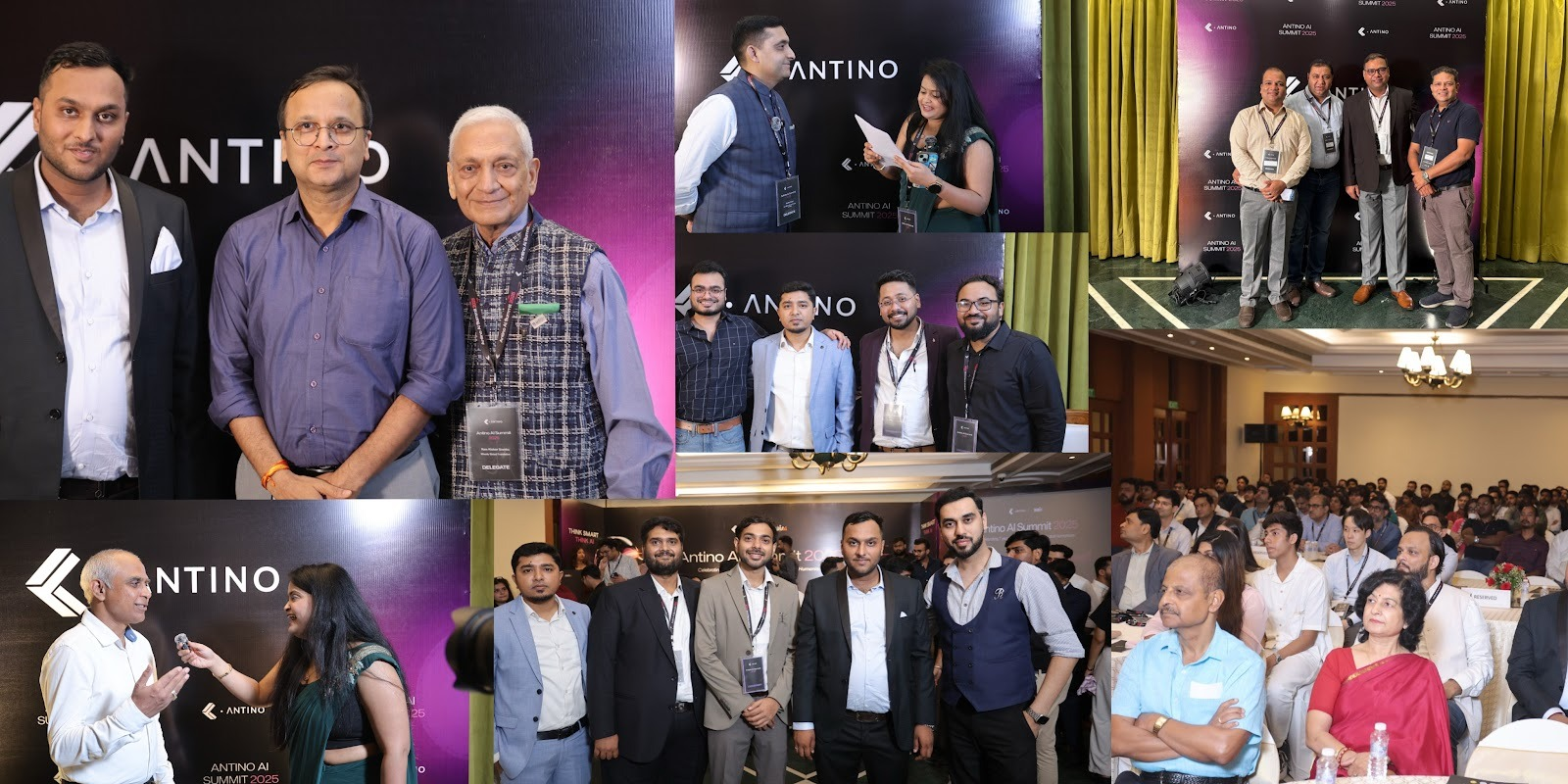
Seven years in, Antino brought together senior government officials, IT services veterans, investors and founders to answer one question: how do government, corporates and startups actually co-create AI impact at national scale?
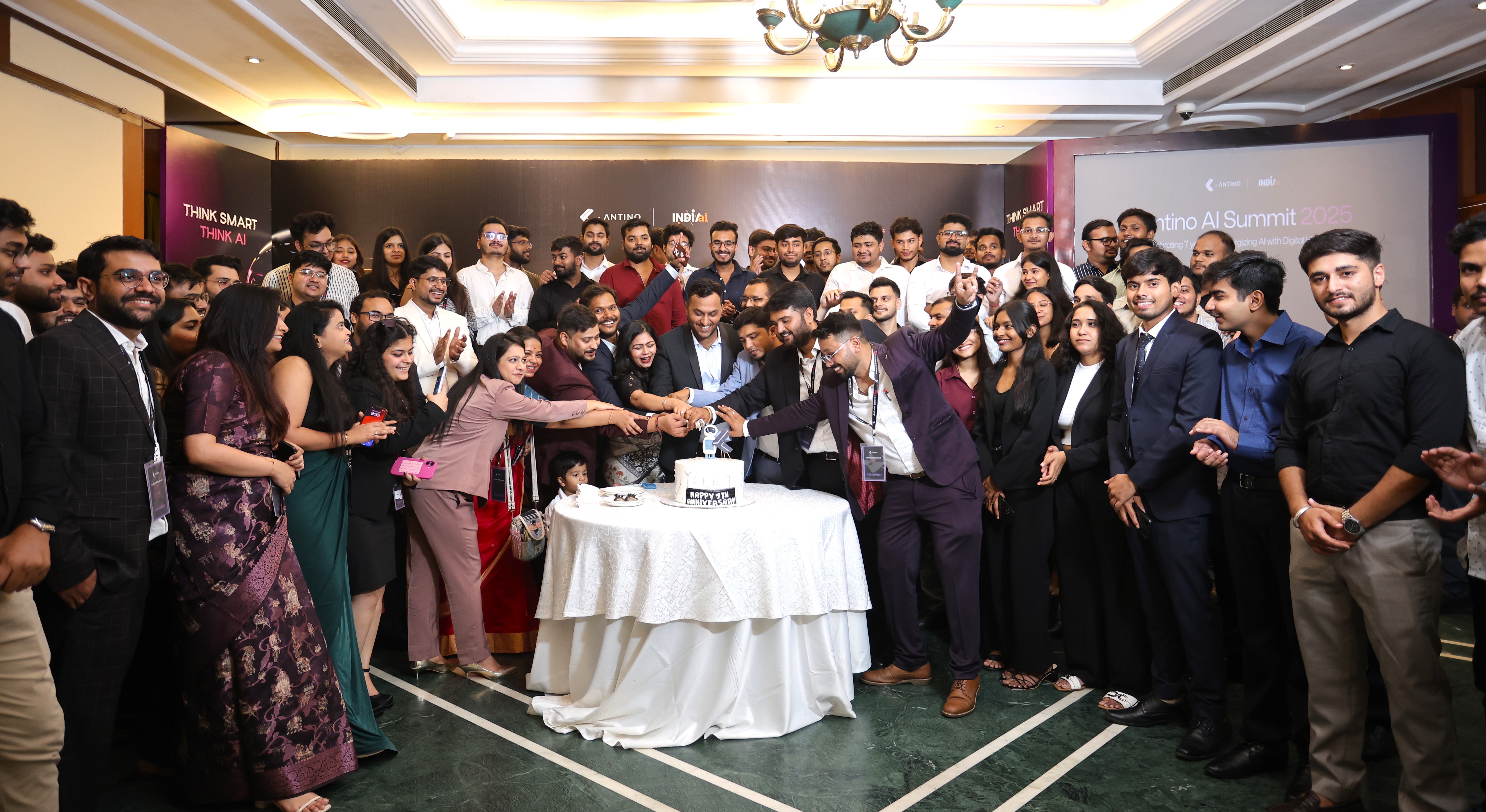
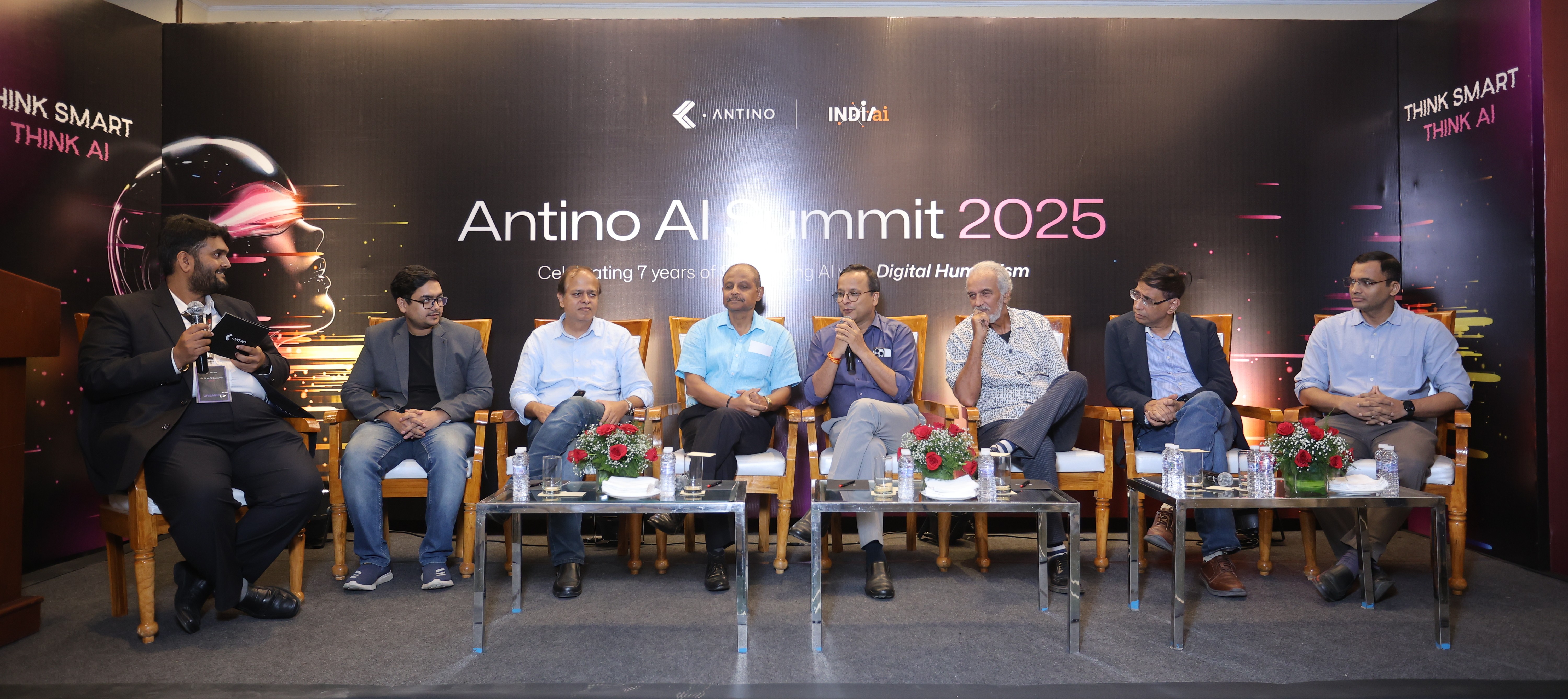 ANTINO AI SUMMIT 2025
About Antino
Antino is an AI-Native Services Company founded in 2018 and bootstrapped since day one, led by Vinay Krishna Gupta (Co-founder & CEO), Rajesh Kumar (Co-founder & COO) and Radhakanth Kodukula (CTO).
The company has scaled to roughly 600 people and 400+ delivered projects across government bodies, listed enterprises and unicorn-stage startups, working in healthcare, fintech, logistics and edtech. It was recently named Best AI Consulting Service Provider of the Year by Entrepreneur India. Antino operates from India, Dubai, the US and the UK, and under the India–UK trade agreement has committed to investing £1 million to create 60 jobs in the UK over three years.
Antino in numbers
The theme
“AI for nation building: how government, corporates and startups can co-create scalable impact.” The summit marked Antino's seventh anniversary, but the agenda was built around that working question. Mr. Gupta set out the thesis early:
AI for nation building is not a task for one sector alone. It's completely collaborative. Government provides the scale and the direction, corporates bring the infrastructure and resources, and startups bring the expertise and innovation. When the whole ecosystem comes together, that's when we get the best out of AI.
The speakers
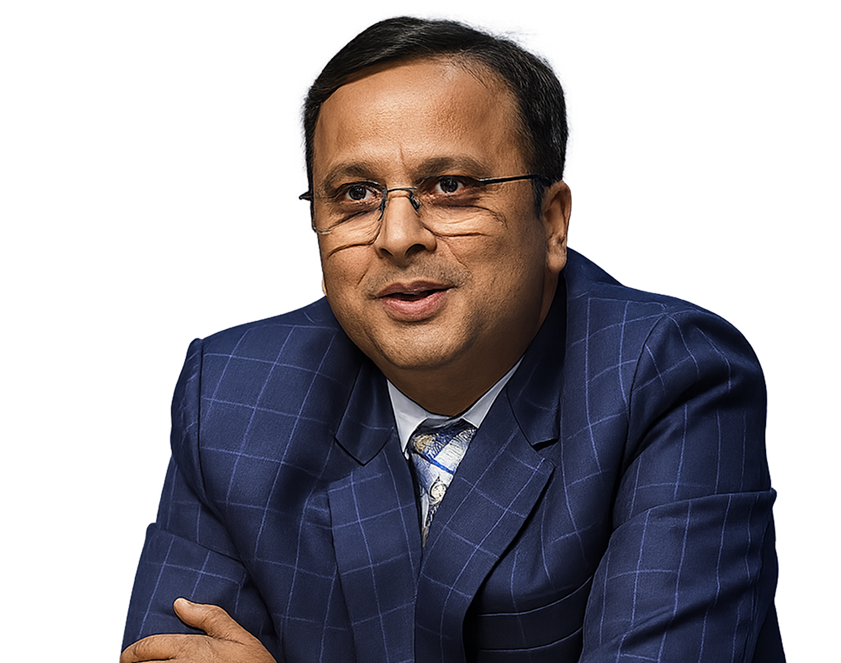
Shri Lav Agarwal, IAS
Additional Secretary & Director General of Foreign Trade, Government of India
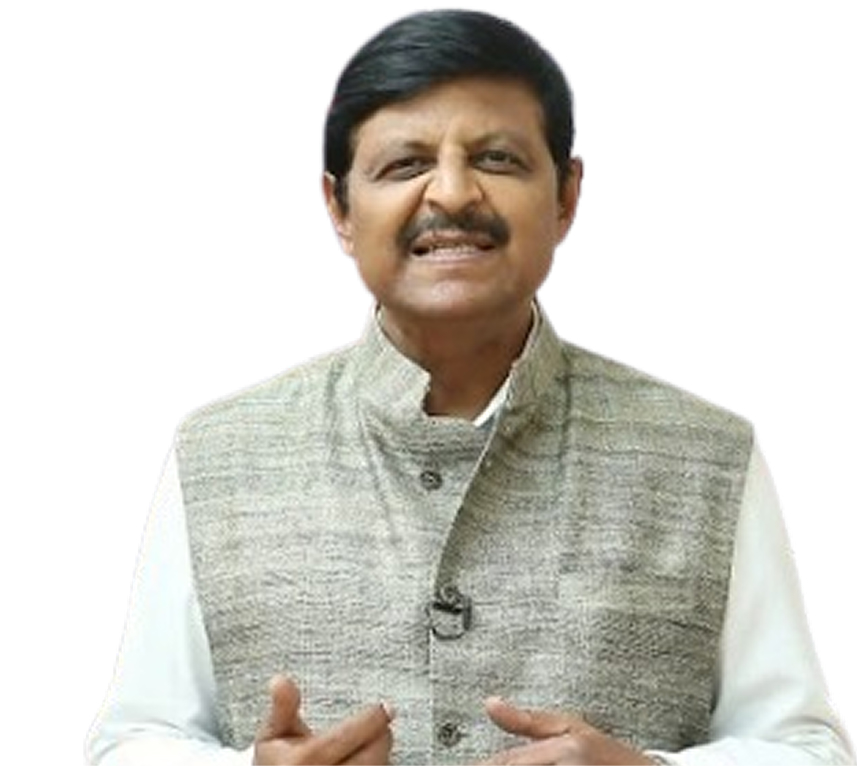
Maj Gen Ravi Chaudhary, VSM (Retd.)
Former Chief Data Scientist, Government of India
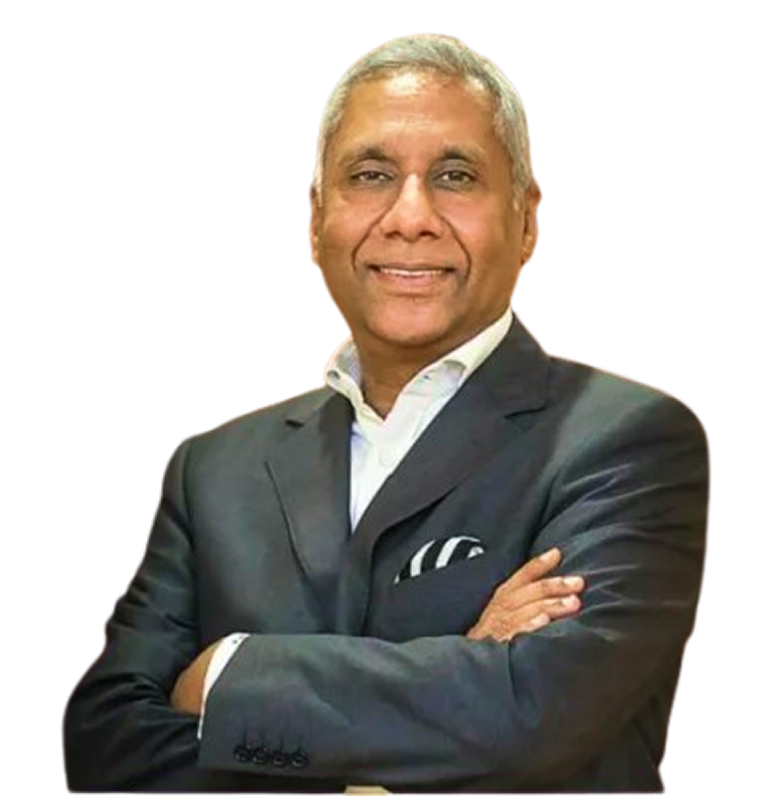
Shri Deepak Bagla
Mission Director, Atal Innovation Mission, NITI Aayog
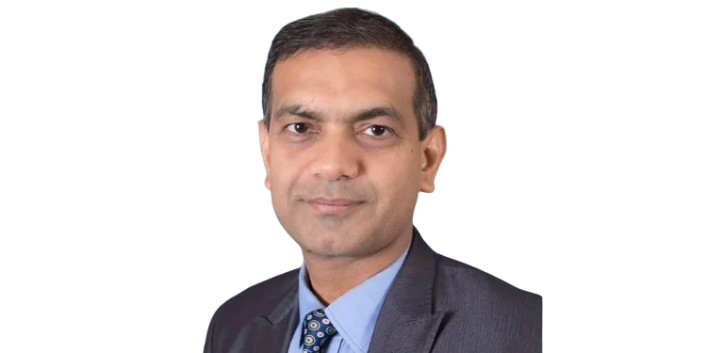
Shri Amod Kumar, IAS
Joint Secretary & DDG, UIDAI
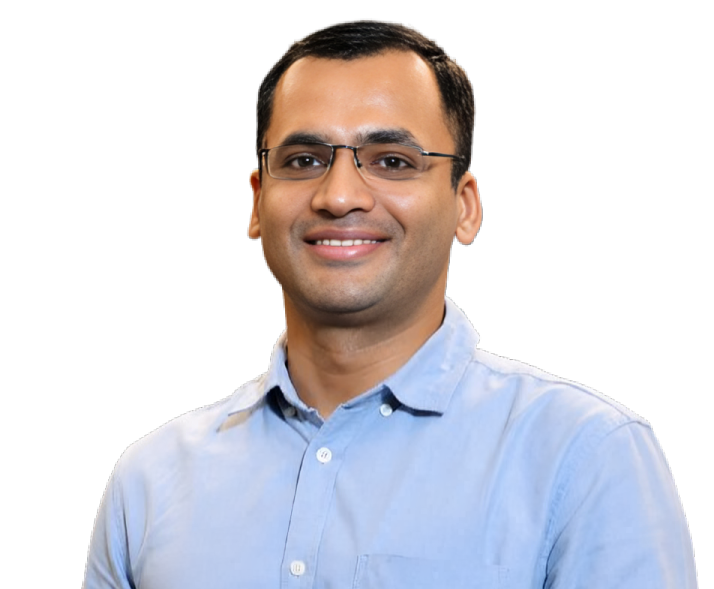
Shri Kumar Abhinav
Joint Director, Department of Personnel and Training
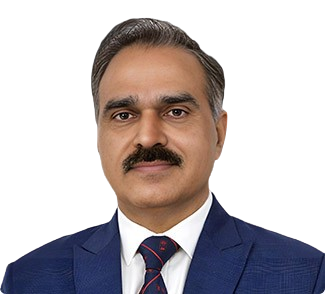
Mr. Rajesh Kumar Dwivedi
Director Finance & CFO, BHEL

Mr. Arvind Thakur
Former Vice Chairman & MD, NIIT Technologies
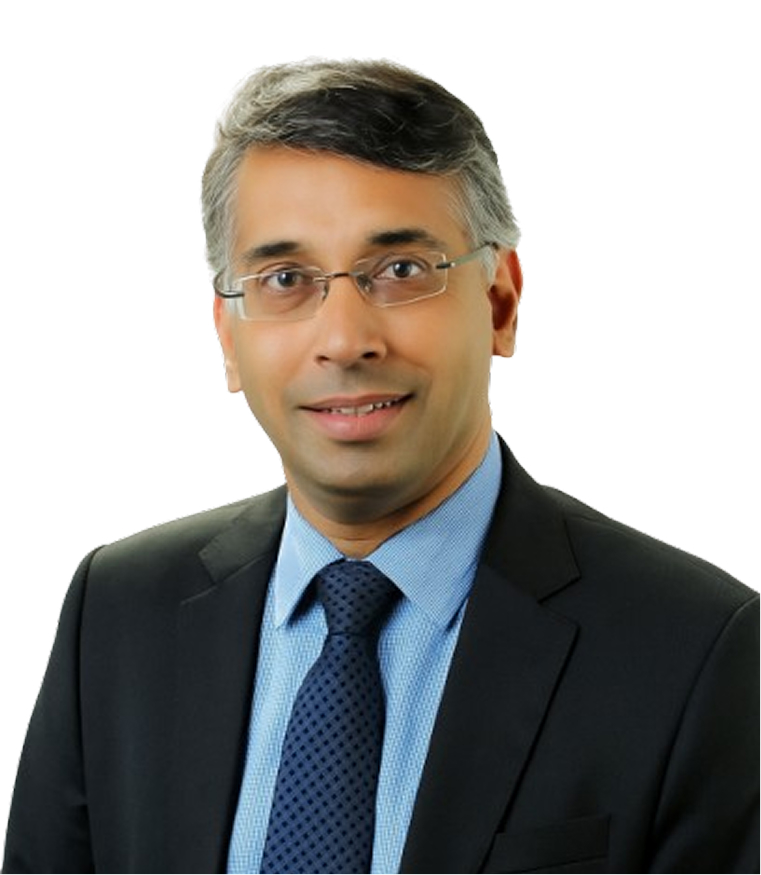
Mr. Ashish Wadhwani
Co-founder & Managing Partner, IvyCap Ventures
Mr. Prashant Tripathy
Senior Advisor, BCG; Board Member; Ex MD & CEO, Axis Max Life Insurance
Mr. Devender Bindal
Co-founder & CTO, TrueFan.AI
Antino's showcase
The centrepiece was Raastafix, a civic-complaints app launched in Gurugram. Citizens report an issue; roughly five AI agents behind the form resolve what most citizens cannot — which of several overlapping authorities owns the problem, which ward it falls in, and how severe it is.
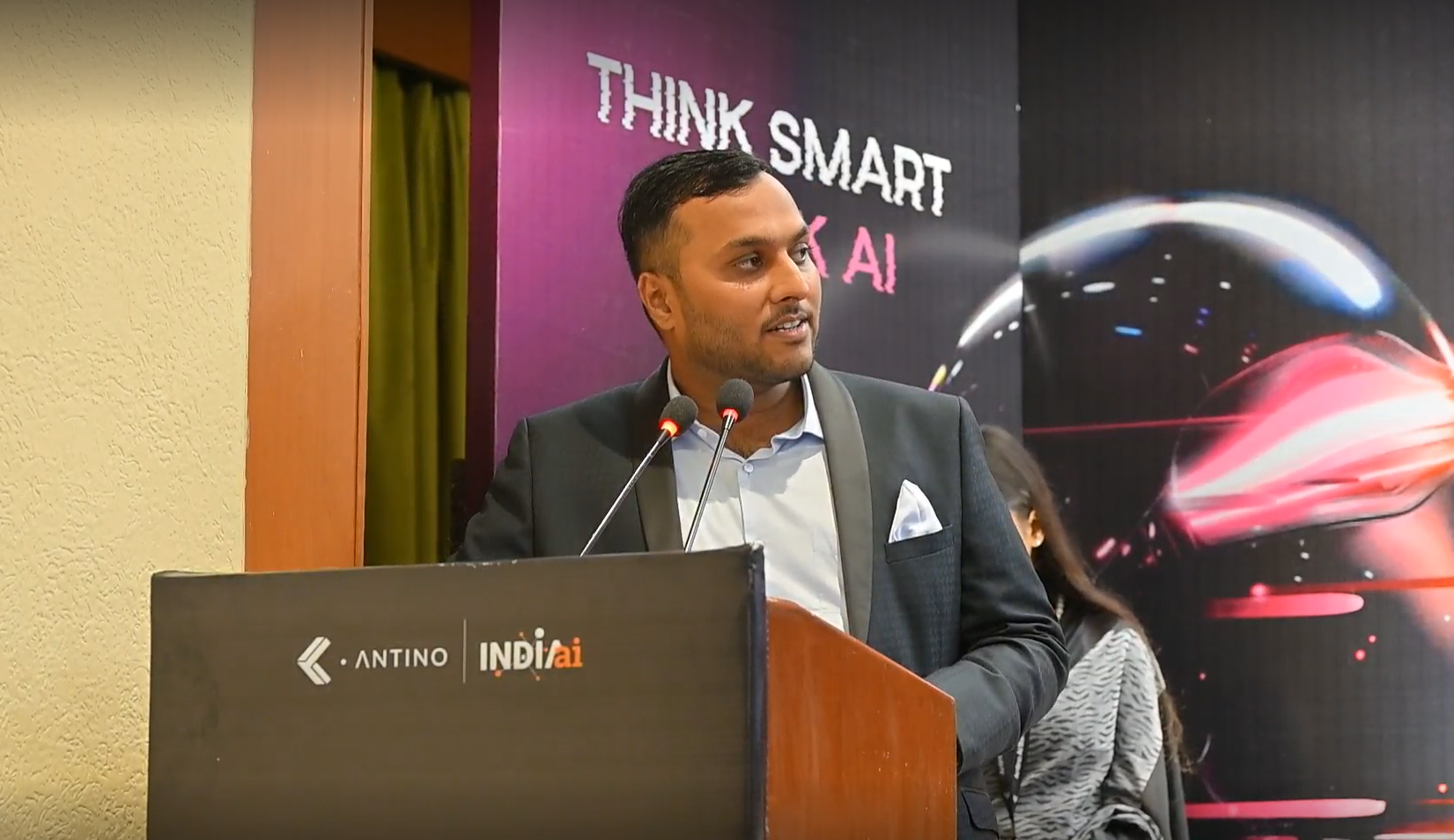
I asked my team members and a few managers: how much time would it have taken to build this app? Majority said around two months, three months, with a team of five or six people. In reality, we built this product within six hours — and by only one person.
Also shown: Tiger, a facial-recognition system delivered for a police department, plus retrieval-augmented models, translation, text-to-SQL, image generation, an AI tutor for edtech and logistics inventory tooling. Current investment is going into industry-specific enterprise models for sectors like coal and steel, vision-based inspection and agentic workflows.
Mr. Vinay's two headline claims, on speed and on the growth plan:
If other companies are taking three months, we are able to build in one month. Our main core goal is to create more jobs in India. In the next one to two years we are planning to go into tier-two and tier-three cities also.
Shri Lav Agarwal, IAS
Additional Secretary & Director General of Foreign Trade, Government of India
Lav Agarwal, who led India's pandemic communication, made the case that the COVID response ran on platforms rather than paperwork — built within a month of the virus reaching India.
People talk about CoWIN, but we managed COVID across the country with the COVID India platform.
I can tell you very confidently — no country in the world, including the United States, had the granularity of data we were able to have.
He cited 25 million vaccinations in a single day via CoWIN, and pointed to AI already embedded in departmental workflow: a media-monitoring layer reading news across 13 Indian languages, raising alerts within six hours routed to the relevant state or district.
On the Women and Child Development portfolio — 14 lakh anganwadi centres, 25 lakh employees, 9 crore+ beneficiaries — his priorities were multilingual chat and voice bots for pregnant women, local-language dietary guidance, and computer vision to flag stunting from a photograph. “Just wait for six more months. You'll find much deeper initiatives.”
That 0-to-6-year-old child in the anganwadi today will be 22 to 28 by the time 2047 happens. We as a department have a role to play to ensure that part happens.
Maj Gen Ravi Chaudhary, VSM (Retd.)
Former Chief Data Scientist, Government of India
For Ravi Chaudhary, the transferable lesson from defence is discipline about scope. A commander handed a sector cannot hold all of it, so he concentrates surveillance and firepower on ground of tactical importance.
If we try to defend the global commons, we can't defend the global commons. So we have to isolate the environment we want to defend — where my data resides, where my data is processed, and where my data flows.
Visibility without control, he argued, is worthless: “If you observe somebody crossing an obstacle but you can't bring fire down in time, that is of no use.” His sharpest point was organisational — in the services, every network has one named accountable owner.
If it is everybody's responsibility, then it is nobody's.
On agentic AI: “There are no fixed malware, there is no fixed trojan. It's learning on the go and trying to attack you.” His prescription was consolidation of both threat intelligence and expertise, against a government reality where “everybody is doing his own security, and there is no centralised monitoring or centralised control.”
Mr. Arvind Thakur
Former Vice Chairman & MD, NIIT Technologies
Arvind Thakur located the obstacle to productisation somewhere unglamorous: mindset, not engineering. Services businesses are cash-rich and incremental; products demand upfront investment, most of it in marketing.
As a nation we are a nation of engineers, but not marketeers.
His cautionary tale was Sybase, technically strong and beaten anyway: “The marketing was so brilliant that before you knew what was what, everybody was talking about Oracle. Sybase actually had to ease itself out of the market.”
His recommendation is to ring-fence the product organisation entirely — citing HCL's separate software division and Infosys's EdgeVerve, and his own experience rebranding an acquired insurance platform as AdvantageGo because customers “did not take us seriously as a product organisation.” He also flagged channel conflict as the underestimated cost: “The moment we introduced our own platform, these companies were reluctant to partner with us.”
To use AI you need clean data. So you maintain a services business by providing data services — but you invest in intellectual property around platforms that fine-tune the available models to suit your clients' needs.
Mr. Ashish Wadhwani
Co-founder & Managing Partner, IvyCap Ventures
Ashish Wadhwani placed deep tech where consumer tech sat “about 10 or 12 years ago,” and identified two risks that stack: technology, and distribution.
People can build products. But very many successful companies are built around people who are able to go to market.
Public capital is genuinely seeding the market, he said, compounding 10 to 20 times as it moves through funds into startups. But the demand was on his own industry:
Investors will have to change their mindset. They will have to take larger risk. They will have to bet on ecosystem plays. Fund lives may need to be longer. And there is a need for different types of instruments.
The most encouraging shift he reported: “In the last one year, there are five different professors from various universities coming in as first-time founders.” His challenge to the room — “You must also understand that this is a math country” — came with a warning against small ambition: “The idea is not to make one more agent kind of solution, but really to dream big.”
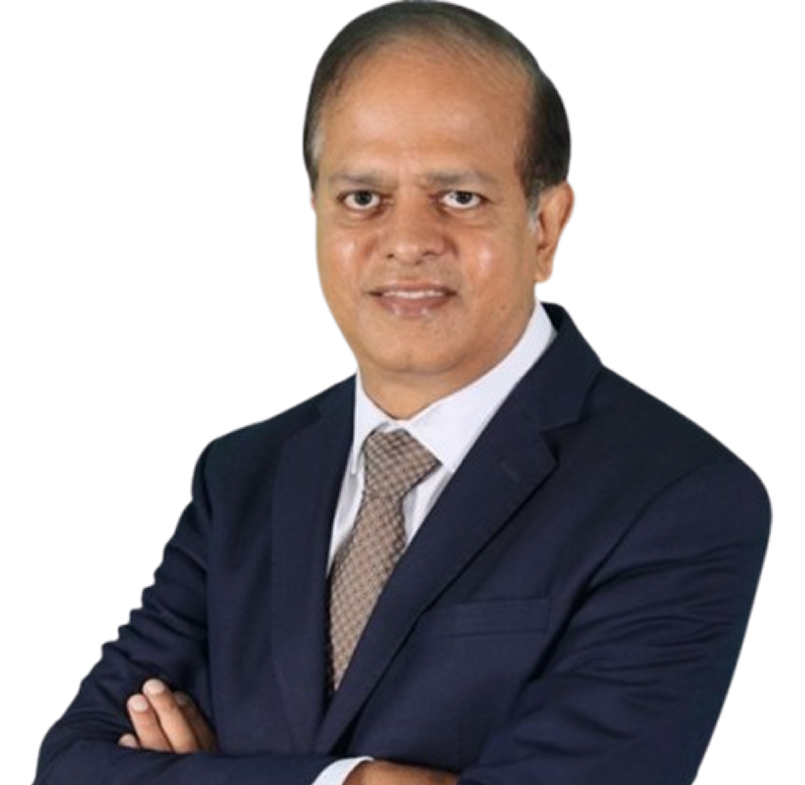
Mr. Prashant Tripathy
Senior Advisor, BCG; Board Member; Ex MD & CEO, Axis Max Life Insurance
Prashant Tripathy opened with a provocation about who controls insurance:
Actuaries built the models, ran the models, and in a way controlled insurance companies for centuries. I think in the next 10 years, data scientists and artificial intelligence people will control it — because both have the same foundation. Only the latter has the strength of technology.
The permanent tension, he said, is speed against accuracy: “How quickly should you underwrite and give the policy to a waiting customer — and how clearly and accurately do you assess risk?” AI is being applied to both — KYC and account aggregators on one side, risk assessment on the other.
The structural change is granularity. “Actuarial models actually work on populations. Now the world is changing, and everybody wants his own data to be used for the underwriting decision.” Alongside it, a shift from indemnity to prevention, since “a claim event is not a good thing for the customer — and it is not good for the company.” Already running: risk segmentation models, fraud detection, and models flagging underwriter deviations from the rulebook. “We are scratching the surface, but there's a lot more to come.”
Shri Kumar Abhinav
Joint Director, Department of Personnel and Training
Kumar Abhinav's problem was arithmetic before it was anything else: classroom training reaches 40 to 50 people at a time, “at max 100,” against an initial target of 40 lakh central government employees.
The iGOT Karmayogi platform was built in-house after private course platforms proved irrelevant for governance. It now carries 1.4 crore+ registered civil servants, and “some of the good courses have more than a million takers.”
The harder problem was what to train on. More than 100 capacity building plans covering 93 ministries and departments were built manually over two to three years — which is exactly why AI entered.
These 100-plus capacity building plans will now be used to train the model, so that we have our own LLM which can then be used to create capacity building plans for each attached office, and for the states.
That takes reach from 70,000 people in central headquarters to 2 crore+ employees. Two further targets: cutting course production from three to four months — “can the turnaround period be reduced from three months to three days, or even 24 hours?” — and regional-language delivery, where off-the-shelf translation failed because “a lot of government terminology is contextual.” On-the-fly subtitling has already shipped.
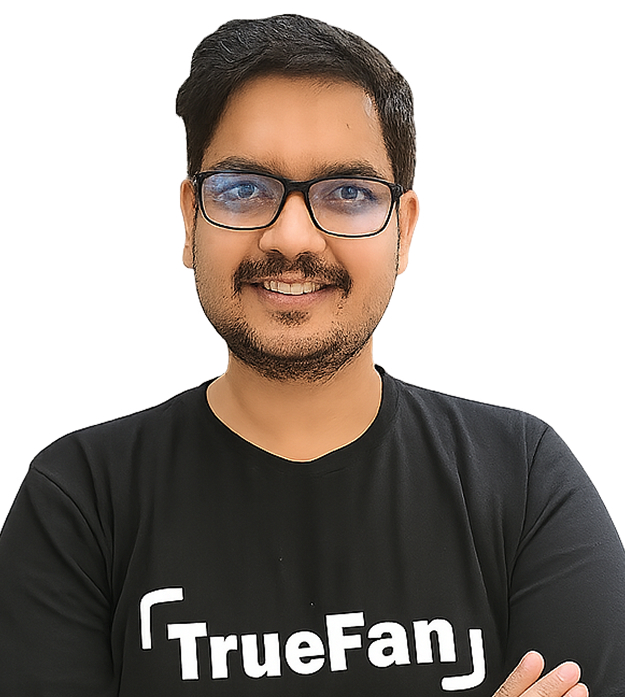
Mr. Devender Bindal
Co-founder & CTO, TrueFan.AI
Devender Bindal treated personalisation as an infrastructure problem. One campaign forced a hundredfold jump: “We had to generate 2,000 videos per minute. Before that we were generating around a thousand videos a month” — with no tolerance for failure mid-flight.
On misuse, he located the boundary in consent: the difference between a deepfake and legitimate synthetic content is whether the person depicted agreed to it — that is the only difference.
The safeguards work as a chain: every output watermarked, likeness data contracted and use scoped, credentials held by very few people, and brand-generated content held view-only until an approval layer on the celebrity-management side clears it. “Only once it gets approved can it be used by the brand.”
Closing remarks
The whole paradigm of technology has changed. The opportunities offered by technology have changed.
AI is going to complicate the security aspect for sure... what we need is a lot of consolidation of threat intelligence.
There's a lot of synergy which needs to take place between IT services companies and startups in the ecosystem.
I would encourage founders and AI professionals to really use these strengths to create very disruptive solutions.
Even in the era of very AI-based systems, last-mile decision making has to be done by a human. The coming era is the era of digital humanism — that is how we have to use AI, to help us make decisions faster. But eventually, the decisions will have to be made by us.
We are in the foundation layer right now, but a lot of people are building on the application side.
Five things the panel agreed on
Across government, corporates, investors and founders, the same five themes kept recurring.
The bottleneck has moved off engineering
The arguments were about accountability, distribution, organisational design and content supply — not models or talent.
Consolidation beats proliferation
Centralised threat intelligence, ecosystem bets, one ring-fenced product organisation — the same shape, three times.
Public data infrastructure is India's genuine advantage
Depth and scale across health, education and welfare, already instrumented for daily reporting.
Go-to-market is the underpriced risk
The investor and the IT services veteran independently named distribution, not technology, as where Indian companies lose.
The last mile stays human
AI accelerates the decision; a person makes it.
Building the next chapter of AI for nation building?
Discover one opportunity, engineer one capability, deliver one measurable outcome — then scale.